

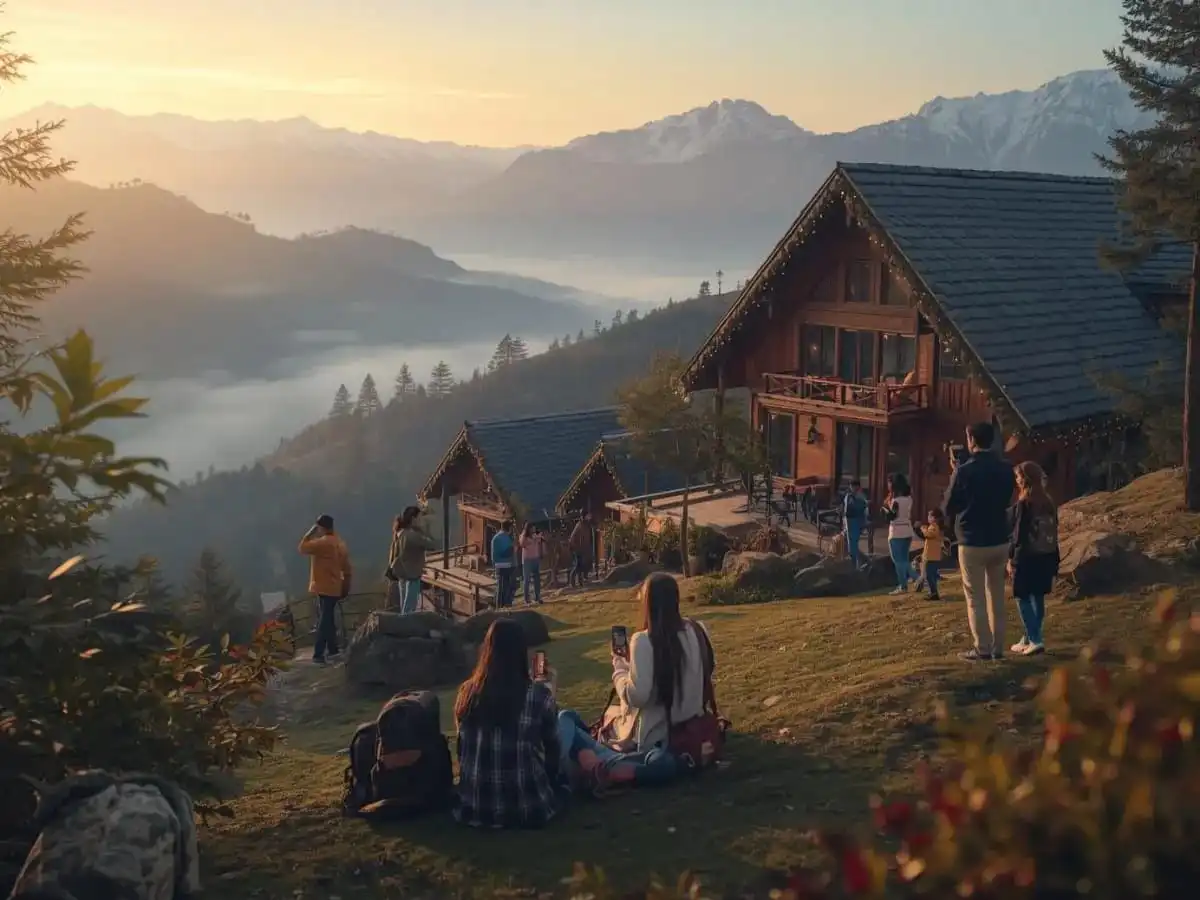
This winter, Indians aren’t just traveling; they’re rewriting how the world vacations.December has arrived, and travel searches across India are hotter than the cappuccinos being poured at hill stations. Airports are packed, roads are busy, and social media feeds are filled with mountains, beaches, and glittery hotel views. The Christmas to New Year stretch is no longer just about year-end breaks. It has become a national ritual of escape.
Across 2025, travel demand in India has followed one clear trend. People are spending more on experiences but expecting smart value in return. The winter season highlights how much Indian travel habits have evolved after years of fluctuating patterns post-pandemic.
The Winter Travel Boom by Numbers
Online travel platforms have seen record activity through November and December. Thomas Cook India and SOTC reported strong double-digit growth in winter holiday demand, with higher interest in both domestic and short-haul international trips. Airbnb listings in India crossed new highs, and premium categories such as villas and homestays surged fastest. Domestic flight capacity has grown around 12 percent compared to last winter, and most metro airports are operating close to or above 90 percent pre-pandemic traffic levels.
What sets this year apart is the scale of domestic confidence. Instead of waiting for international flights to drop prices, travelers are locking in Indian destinations early. Goa, Manali, Gulmarg, Udaipur, and Pondicherry remain favorites, but second-tier gems such as Varkala, Tirthan Valley, and Gokarna have emerged as serious contenders.
Popular picks break down like this:
- Goa for beach parties and sunsets.
- Manali and Gulmarg for snow and adventure.
- Udaipur and Pondicherry for lakeside calm.
- Varkala and Gokarna for hidden beaches.
Families, friend groups, and couples are planning more consciously. Many are opting for longer weekend getaways, blending work-from-anywhere flexibility with leisure. Christmas and New Year holidays have become less about switching off completely and more about switching scenes.
“I didn’t want an expensive escape this year. I just wanted somewhere that made Monday meetings feel a little less like work.” – Traveler from Manali
The Indian Consumer Mood
Rising disposable income, easier credit options, and constant exposure to travel content have turned discovery into habit. What defines Indian travelers this winter is not just spending power but intent. A mix of social proof and smart budgeting drives nearly every decision.
Data shows striking patterns. Searches for domestic winter travel rose sharply by early December, with the highest growth from Tier 2 and Tier 3 cities. Young professionals and entrepreneurs now see travel as a form of self-investment. They chase balance: meaningful experiences, boutique stays, and quick access to nature without excessive cost.
Key spending shifts include:
- Luxury villas sold out before Christmas.
- Budget trains and local resorts are thriving.
- Middle-class trips widening across price points.
Short-haul Replaces Long-haul
Many Indian travelers still see international travel as aspirational. Yet visa delays, higher fares, and busy airports have made regional flights more desirable. Short-haul international routes such as Thailand, Vietnam, Sri Lanka, and the UAE are attracting large crowds this winter. These trips offer global flavor without long-haul costs, and frequent flyer programs now make them more accessible.
Travel tech companies report that around 68 percent of winter international bookings fall within a five-hour flight range. That shows a clear preference for convenience. Families prefer direct routes over multiple stops, while younger travelers are taking quick breaks that fit long weekends. Small group travel companies handling door-to-door itineraries reinforce that ease now ranks above extravagance.
The Shift to Experience-led Travel
Winter holidays once revolved around sightseeing and shopping. Experience-led travel now defines the Indian mindset. Food trails in Jaipur, mountain hikes in Himachal, and café-hopping in Goa rank high on social media searches. Travelers are choosing fewer destinations per trip but staying longer, spending more per day on curated experiences instead of constant movement.
The concept of “do more where you are” gained momentum through 2025. From vineyard stays near Nashik to desert glamping in Rajasthan, domestic tourism has learned how to convert local culture into global-style luxury. The Christmas and New Year period magnifies this trend. Instead of checking into five-star hotels with buffets, travelers are paying for storytelling activities, chef-led meals, private concerts, and sustainable stays that make holidays feel personal.
Sustainability as a Filter
Eco-conscious travel is not just a buzzword this season. Searches for sustainable stays and locally managed properties have grown by over 30 percent. More travelers are filtering options by “eco-friendly” or “low-impact” tags on platforms. The willingness to pay slightly more for sustainable comfort is rising, particularly among millennial and Gen Z travelers.
Green choices gaining traction:
- Carbon offset programs from airlines.
- Luxury trains like Maharajas’ Express.
- Mountain and coastal eco-programs.
Accommodation Choices Tell the Story
Hotel chains continue to do well, but independent and homestay models have matured faster. Host families are marketing their spaces as immersive retreats, offering travelers direct contact with local traditions. Digital-first travelers prefer booking directly through apps but value personal connection once on-site.
Serviced apartments, co-living stays, and hybrid workcation packages are particularly popular during the longer December break. Many corporations allow remote work between Christmas and New Year, encouraging professionals to turn travel into extended stays. This blurring of leisure and productivity defines post-pandemic Indian consumer behavior more than any single statistic can.
The Indian Traveler’s Budget Mix
Indians are more analytical about travel spending than before. Booking patterns show budgets distributed across three categories: travel, stay, and experiences. Flights still take the largest share of expenditure, but people now allocate 25 to 30 percent of total spending to activities. The idea is simple. Getting there and back should not feel more expensive than what happens during the trip.
Dynamic pricing has taught Indian consumers to time bookings better. Travel portals report that the average purchase window for winter trips extended from 15 days in 2023 to about 23 days this year. People are planning earlier and locking in deals smartly. For families, installment payments and cashback schemes make premium holidays easier to manage.
Travel Content Drives Choices
Social media continues to shape how Indians pick destinations. Influencers and vloggers have replaced traditional brochures. A single viral video can push a small town into top-trending lists within days. In 2025, this cycle has accelerated. Platform data shows search spikes within hours of popular travel reels going live.
Travelers now cross-verify what they see online. Instead of blindly following trends, they read reviews and consult local guides. Word-of-mouth retains importance, but digital transparency gives every traveler a voice. For the Christmas and New Year season, visual discovery remains the number one driver of demand. Clips of snowfall, beach parties, and holiday lighting trigger mass interest faster than any ad campaign can.
Hospitality Sector Challenges
Behind the exuberance lies pressure on India’s hospitality sector. Higher demand strains everything from airport staff to hotel maintenance. Many properties are full throughout the last two weeks of December, leading to inflated rates and limited choice. Travelers are learning to book alternate dates or check in midweek to avoid peak surcharges.
Hotels face rising input costs and staffing shortages. Seasonal workers are back, but many left hospitality during pandemic years and have not returned. To compensate, chains invest in automation tools, mobile check-ins, and AI-assisted concierge services to maintain efficiency. The focus is on quicker turnaround and consistent service quality during busy holiday stretches.
What This Winter Boom Reveals About the Future of Travel
The winter travel season reveals broad lessons about Indian consumers. They are more confident, digitally savvy and curious than ever. Their choices are shaped by accessibility and authenticity. They chase uniqueness, not uniformity. Travel is no longer an occasional reward but a recurring lifestyle habit.
The boom also shows how tourism has become a major part of local economies. Every holiday season brings new jobs, supports small businesses, and introduces travelers to different Indian cultures. The Christmas and New Year rush behaves like a barometer for broader consumer sentiment. When bookings stay strong, confidence in income and stability remains high.
Looking ahead to 2026, analysts expect India’s outbound travel to rise again once visa queues ease and European routes stabilize. But domestic travel will stay dominant because convenience, variety, and affordability align perfectly for Indian households. The spirit of discovery feels grounded at home.
Your Winter Move
Christmas and New Year travel in 2025 reflects more than festive excitement. They signal a lifestyle shift built on freedom, curiosity, and trust in digital systems. Indians now treat travel like a form of mental reset and creative recharge. From sunset beaches to snow peaks, the idea is not just to go somewhere new, but to return with stories worth sharing.
So, where will your 2025 winter adventure begin?