

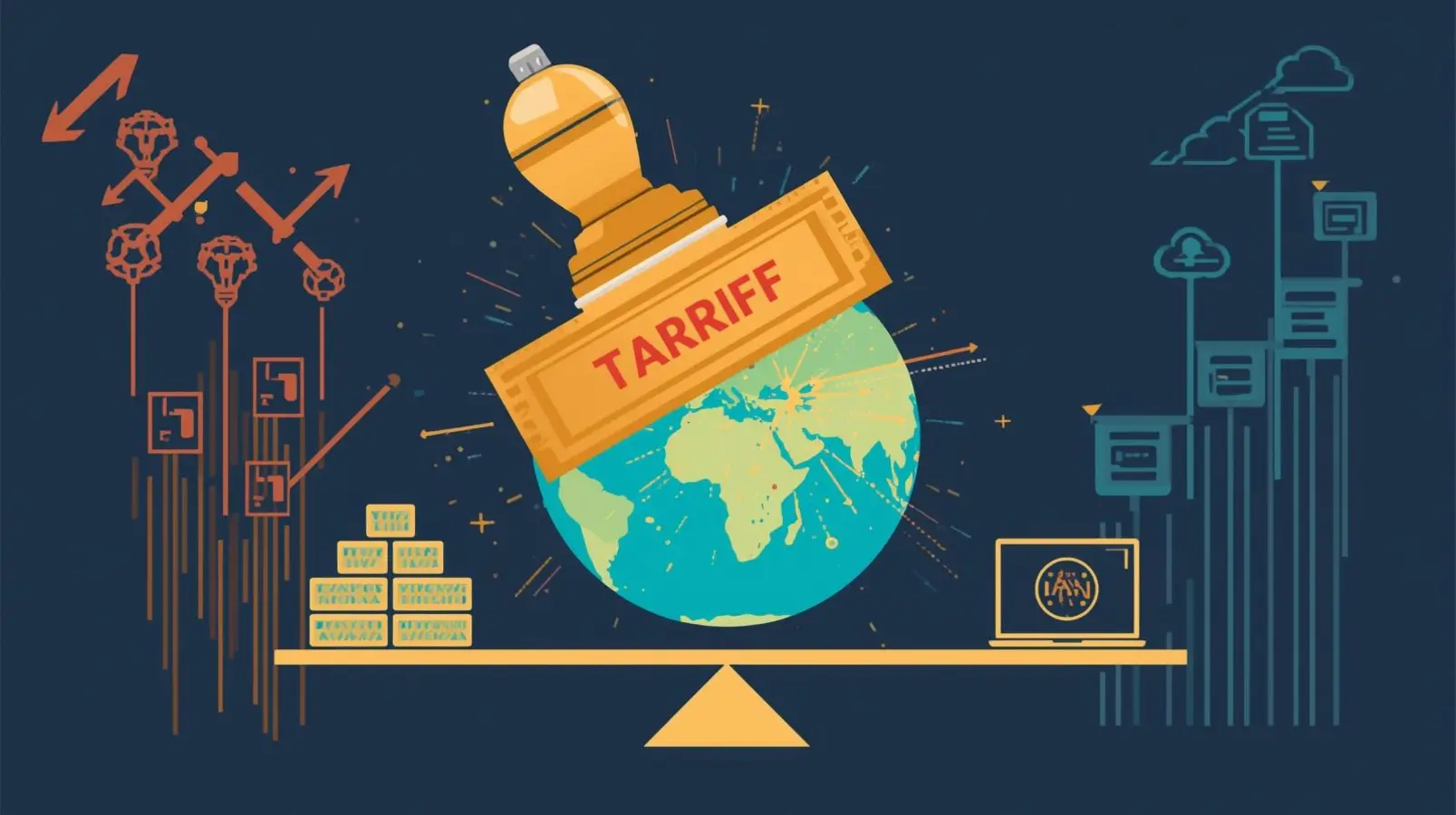
US clients call Indian IT leaders with tighter budgets. By early 2026 average US tariffs had risen from around 2.5 percent to above 15 percent through multiple hikes. India faces reciprocal rates plus sector-specific spikes. Steel and pharmaceuticals gain exemptions. Other goods see higher duties under national security reviews.
Tariff Changes Hit Trade
Tariffs mirror duties other countries place on US exports. India starts with elevated base rates. Russian oil deals and Chinese equipment face extreme reciprocal scenarios up to 500 percent in proposals. Nasscom targets substantial sector revenue growth by FY26 despite recent quarterly slowdowns for major players.
Direct Pressure on Visas and Onsite Work
Software services avoid goods tariffs directly. Certain H-1B petitions face much higher fees for onsite approvals, pushing costs up. Firms sending thousands onsite yearly absorb millions in added expenses. Over 90 percent of approvals shift to consulates with longer waits.
Client Budget Cuts Squeeze IT Spend
US banking and manufacturing clients pay more for imported materials. They cut IT budgets by double-digit percentages on app upgrades and cloud projects. Multi-year large deals shrink to smaller pilots. Pricing faces notable downward pressure on average. Margins slip from compliance and hardware costs.
IT stocks see recent declines. Companies with heavy US exposure feel sharper pain. Services exports hit strong levels last year with modest growth. Numerous GCCs hired many graduates this year.
Indian IT Shifts to Offshore and AI
CFOs demand vendor cuts. Clients compare Indian rates against Mexico nearshore options. Major firms see BFSI recovery mixed with Europe gains. Others note shorter deals but steady AI demand.
Offshore delivery rises sharply from previous levels. Pune teams handle Dallas onsite tasks using GenAI for quick wins like major helpdesk automation. Key adaptations include:
- Offshore ratios climb, cutting client costs versus onsite.
- Local US hires grow despite higher salaries.
- AI pilots convert a solid share to full contracts.
- New H-1B costs kill most onsite plans. GCCs take core banking upgrades. Analysts see big annual investments over coming years.
AI and Cloud Lead Recovery
Clients want autonomous AI agents. India trains many engineers for this. Large players booked strong recent contracts. Others added deals with much AI or cloud tied. Chennai cloud teams migrate Fortune 500 workloads. Noida cyber groups protect US banks.
Offshore rates run much cheaper than onsite. Clients consolidate to fewer partners for deeper cost cuts. Tariffs accelerate this shift.
Sustainability Wins New Business
India-based work cuts travel emissions sharply. ESG-focused US firms favor these setups. Younger buyers on committees demand high uptime with clean scaling.GCCs add roles across tier-2 cities. AI automates a big chunk of coding tasks.
Talent Hubs Adapt Fast
Pune and Hyderabad expand for hybrid GCC workers. Platforms hire niche AI skills instantly. Millions of IT pros deliver round-the-clock coverage matching US mornings.
Budgets Tighten Smartly
AI absorbs a big slice of staff budgets. Leading firms improve margins through efficiency. Deals extend for legal checks. Microsoft and AWS partnerships smooth AI transitions. Client cuts push margins lower.
Content Seals Decisions
LinkedIn demos convert viewers to RFPs. Videos showing efficiency gains outperform slide decks.
Indian IT’s Next Move
Tariffs test real strength. Indian IT pivots through unmatched talent pools, AI mastery, and offshore scale no competitor matches. Clients need results, not geography. India delivers better economics while US firms scramble with nearshore experiments and doubled labor costs. GCC revenues could scale toward $70 billion. Europe and Japan markets could open wider. Bold adaptation today positions leaders for tomorrow’s rebound when tariff dust settles.